


Offer
Provide additional details about the offer you're running.
FLASHSALE

Provide additional details about the offer you're running.
Provide additional details about the offer you're running.

Choosing a summer wetsuit sounds simple… until you're freezing halfway through a session, overheating after your second wave — or covered in scrapes because you had the brilliant idea that you didn't need to wear one.
A lot of surfers end up in the wrong gear because they focus on the wrong things: looks, season, or what others are wearing.
This guide is built to help you choose the right wetsuit for warm-water surfing, based on how and where you actually surf.
By the end, you'll know:

A summer wetsuit is designed for warm to mild water conditions, where freedom of movement and comfort matter more than maximum insulation.
Compared to winter wetsuits, summer options are typically thinner, lighter and far less restrictive when paddling, making them ideal for longer sessions and warmer days in the water.
Depending on the water temperature and your personal tolerance to cold, a summer wetsuit can come in different forms:

The goal is simple: wear the minimum amount of neoprene you need to stay comfortable without overheating or limiting your movement.
Choosing the right type of summer wetsuit is just as important as choosing the right thickness. The best option depends on the water temperature, wind, session length and how much freedom you want while surfing.

The warmest and most reliable option. A lightweight full suit gives you full-body coverage, extra protection from wind and sun, and more comfort during longer sessions. The safest choice if you're unsure about conditions or tend to get cold easily.
Best for: Mixed conditions, cooler summer water, long sessions.

A strong middle ground. You still get core warmth and leg protection, but with more shoulder mobility and a lighter feel while paddling. Popular for surfers who want flexibility without fully giving up coverage.
Best for: Warm air temperatures, slightly cooler water, and surfers who prioritise mobility.

Short legs with either short or long sleeves — designed for warm days and comfortable water temperatures where you still want a bit of insulation and protection without a full wetsuit. The short-sleeve version maximises freedom and airflow; the long-sleeve version adds extra arm warmth and sun protection without the heat of a full suit. Keep in mind both offer less protection against wind, long exposure and colder mornings.
Best for: Travel, short sessions, easy summer conditions, and surfers who want to choose their level of arm coverage.

Sleeveless with full-length legs. A more niche option, but useful in certain conditions. Long Johns maximise paddle freedom while keeping your lower body protected and warm. Worth noting: some surfers avoid this style due to chafing around the underarm area, so fit and neoprene quality matter more than usual.
Best for: Surfers who dislike sleeves, mellow surf, longboard sessions or paddle sports.

The sleeveless version of a shorty. Maximum arm freedom combined with minimal leg coverage — ideal for very warm water where you still want a little protection without any restriction.
Best for: Hot water, tropical conditions, and surfers who want maximum freedom with just a touch of coverage.

Light insulation, wind protection and extra UV coverage without feeling restrictive. Easy to travel with and ideal for very warm-water sessions.
Best for: Boardshort surfs, tropical climates and surfers who prefer maximum freedom.

Part swimsuit, part surfwear. Made with swimwear-style fabrics rather than neoprene, offering a lighter and more flexible feel. They protect against sun exposure, wax irritation and skin chafing — especially popular in tropical destinations and small summer surf.
Best for: Tropical surf trips, hot summer conditions, long sessions under the sun, and surfers looking for a balance between function and style.

Lightweight, fast-drying and designed for warm water. Rashguards offer UV protection and prevent skin irritation from wax and board contact without adding any warmth. The go-to option for tropical destinations where the water is too warm for neoprene but you still need protection from the sun and elements.
Best for: Tropical surf trips, hot climates, and surfers who want sun protection and comfort with zero insulation.
A proper wetsuit fit makes a bigger difference than most people think. A wetsuit works by trapping a thin layer of water that your body warms up. If the suit is too loose, that water keeps moving — and you lose heat.

The type of entry system on a wetsuit has a bigger impact than most surfers think. Even if two wetsuits have the exact same thickness, they can feel completely different in the water depending on how they're built.
The main difference comes down to comfort, flexibility, warmth and ease of use.
| Back Zip | Chest Zip | Zipless | |
|---|---|---|---|
| Ease of entry | ★★★ Easiest | ★★ Moderate | ★ Hardest |
| Flexibility | Good | Very good | Excellent |
| Warmth / seal | Good | Very good | Very good |
| Water flushing | More | Less | Less |
| Best for | Beginners, quick sessions | Most surfers, longer sessions | Experienced surfers, performance |
A thicker wetsuit does not automatically mean a warmer wetsuit. Warmth also depends on seam construction, inner lining quality, how well the suit fits your body, wind exposure and how much water moves inside the wetsuit while surfing.
A well-built 3/2 can easily feel warmer and more comfortable than a cheap 4/3 that flushes constantly or restricts movement.
If you feel cold in the water, the solution isn't always going thicker. Sometimes the biggest difference comes from choosing a better-designed wetsuit with a better fit.

Picked by the people behind the counter — surfers who know the water as well as the gear. Whether you’re chasing summer swells or staying out when it gets cold, these are the suits we stand behind.

Not every wetsuit is made the same. These four brands go further — in design, craft, and identity. From limited-edition collabs to handmade suits built in Biarritz, this is the selection for those who want something a little more special in the water.
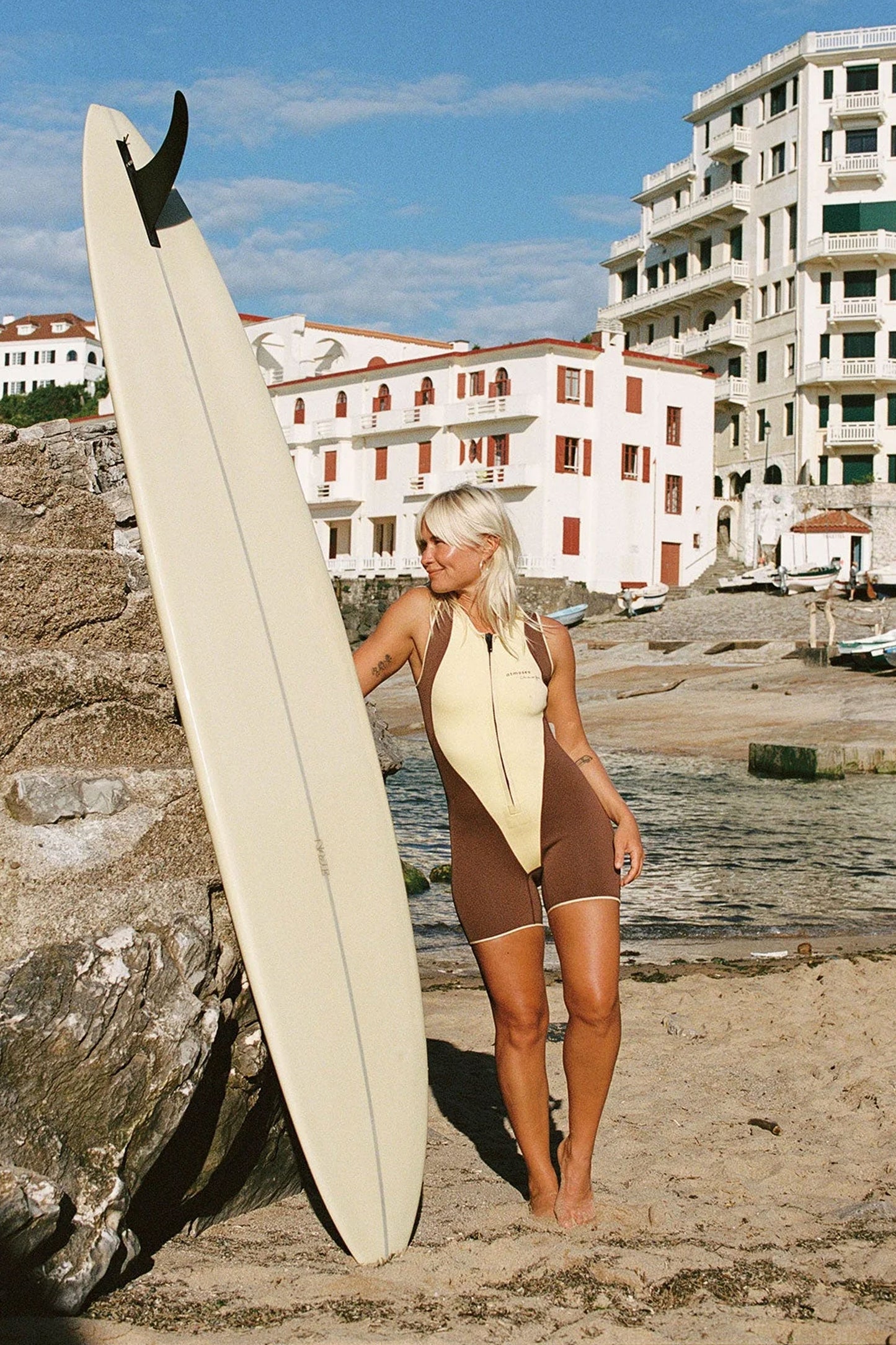
The Atmosea x Amanda Djerf capsule fuses surf utility with vintage European charm, featuring bold colors, retro paneling, and effortless femininity. Each piece is designed for freedom, movement, and timeless coastal energy.
Shop the collab →Spun Spirit and Narval have joined forces to create a limited-edition wetsuit line that fuses art and performance. Designed by Ford Archbold, these wetsuits feature premium Yamamoto neoprene for flexibility and warmth, along with graphene-infused lining for added heat retention and durability.
Shop the collection →
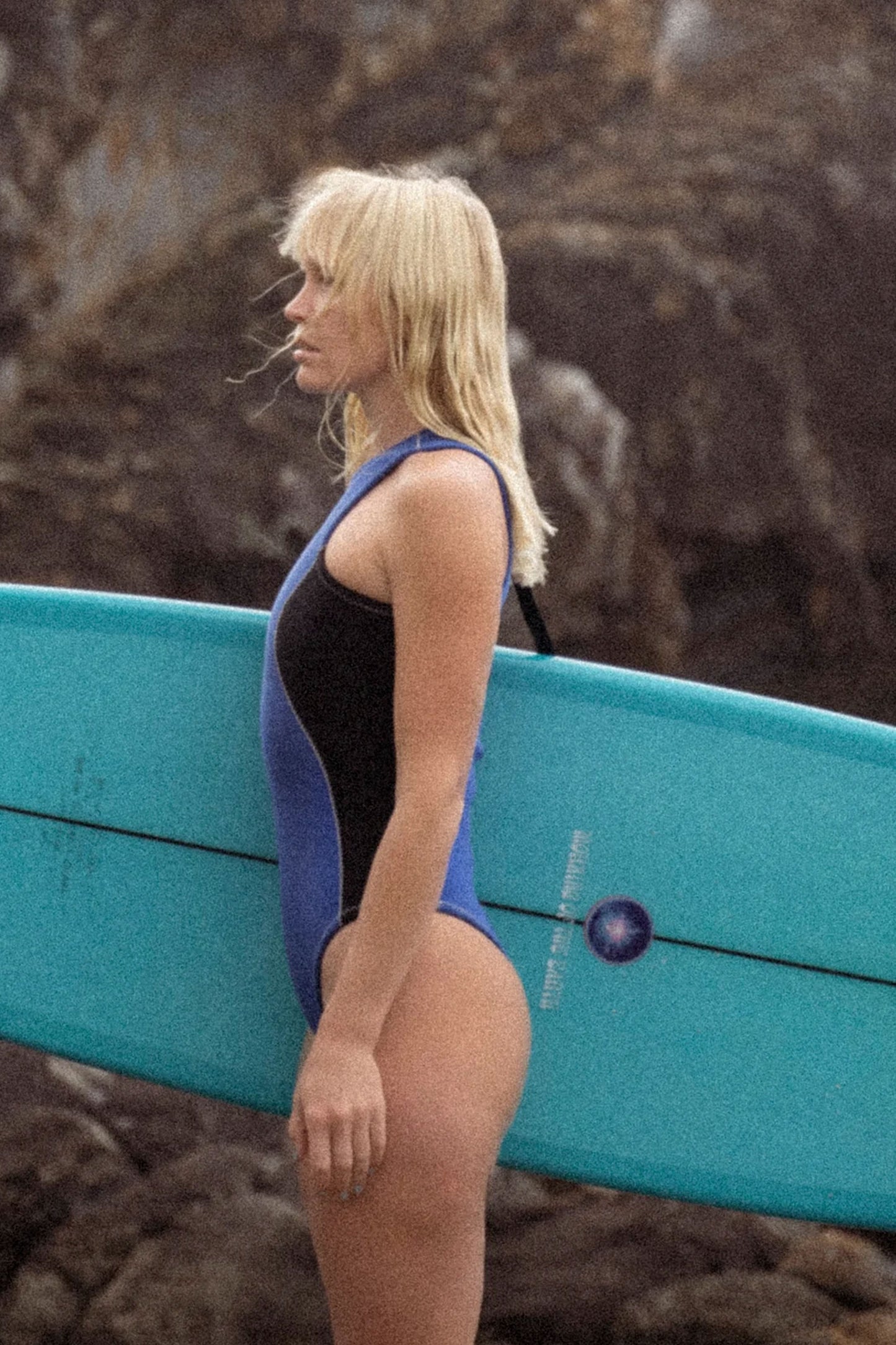
LEO Wetsuits combines modern design with high-performance materials to deliver wetsuits built for comfort, flexibility, and durability. Handmade and customized in Biarritz, France, each suit reflects exceptional craftsmanship, offering a precise fit and a distinctive style in the water.
Get yours now →Inner Relm is a surf brand rooted in authenticity, craftsmanship, and a deep connection to surf culture. Focused on clean design and functional performance, Inner Relm creates quality surfwear built to last — combining style, fit, and performance with an emphasis on simplicity, durability, and thoughtful details.
Shop Inner Relm →
Explore the full selection of special wetsuits from all four brands in one place.
Shop all special wetsuits →
A little care goes a long way. Here are the basics to keep your wetsuit performing well season after season.
Use fresh water to remove salt, sand and dirt. Prevents material breakdown and keeps the suit performing well.
Always dry away from direct sun and heat. Turn inside out first, then finish drying the outside.
Avoid regular detergents. A wetsuit-specific cleaner removes odor, salt and bacteria while keeping neoprene flexible.
Hang on a wide hanger or lay flat. Avoid folding or compressing for long periods.
Pull gently using your palms, not your fingertips, to avoid small tears in the neoprene.

Air temperature and water temperature are not the same. The ocean can be significantly colder than the air — always check the water temp before choosing your wetsuit.
It's tempting to grab the lightest suit as soon as the sun comes out. But if the water is still cold, you'll end up cutting sessions short. When in doubt, go one step warmer.
A wetsuit that's too loose flushes water constantly and loses warmth fast. It should feel snug — slightly tight when dry, comfortable once in the water.
Flatlock seams are fine for warm water, but GBS or taped seams make a real difference in cooler conditions. Don't overlook this — it affects both warmth and durability.
High-end wetsuits are great, but for summer use you don't always need the most technical suit. Focus on fit, seam quality and the right thickness for your conditions.

If you keep it simple, you won't get it wrong.


The water is warm, the waves are there — all you need is the right suit to make the most of it.
Find your wetsuit — the full collection is waiting for you


